Towing a 20,000 lb fifth‑wheel trailer requires a heavy‑duty truck. A 1‑ton dual rear wheel diesel pickup is mandatory. Standard 3/4‑ton trucks are not built for this task. Light‑duty trucks face severe safety risks when handling heavy pin weight.
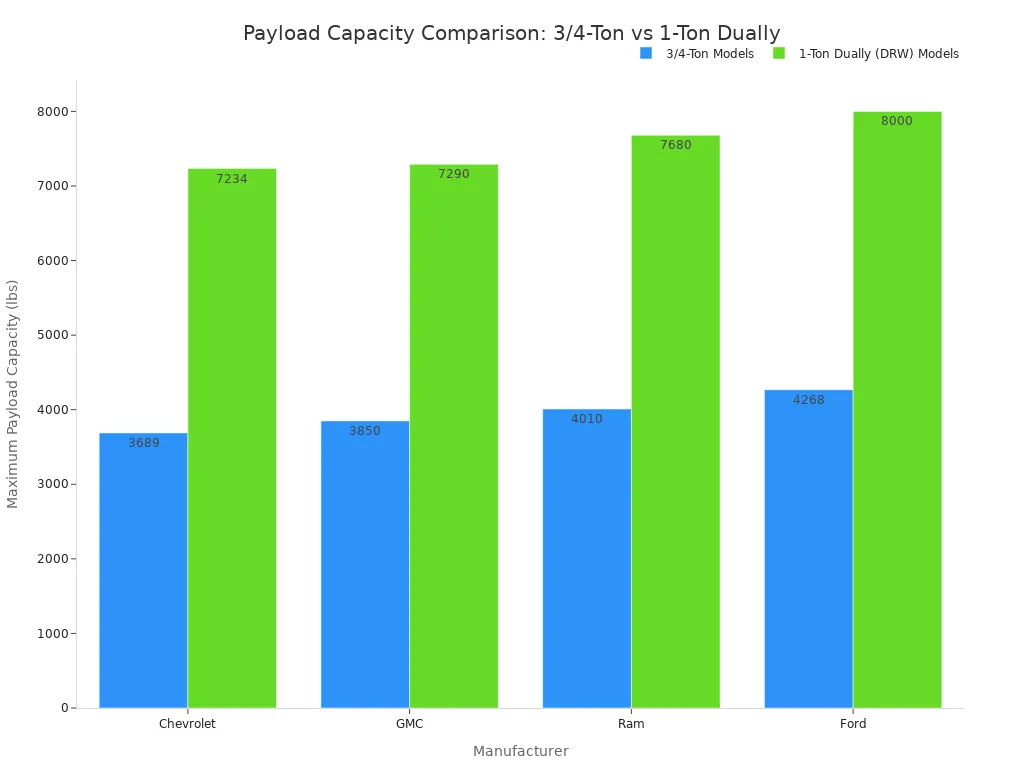
Single rear wheel trucks often advertise high towing ratings, yet heavy pin loads easily exceed their real‑world operating limits. A dually setup delivers far greater payload capacity, offering an extra 2,500 to 3,000 lbs compared to single rear wheel equivalents. The 2024 Ford F‑350 Super Duty achieves a maximum payload of 8,000 lbs, while the 2024 Ford F‑250 tops out at only 4,268 lbs. For safe fifth wheel towing, a 1‑ton dually is non‑negotiable.
Key Takeaways
- A big 1-ton dually diesel truck has enough strong power. It pulls a heavy 20,000 lb trailer very safely.
- Normal 3/4-ton trucks do not work. Single rear wheel trucks fail too. They lack enough payload space. Heavy pin weights cause this problem.
- Dually trucks have four rear tires. These extra tires add great stability. They double your grip on the road. This helps stop dangerous trailer sway.
- Check the truck door sticker for real payload limits. Do this before you buy.
Weight Math for Towing a 20k lb Trailer
Pin Weight Calculations and Payload Limits
A loaded fifth‑wheel trailer transfers significant downward force directly onto the truck bed. Pin weight typically accounts for 15% to 25% of total trailer weight. For a 20,000 lb fifth wheel, pin load ranges from 4,000 to 5,000 lbs. Most operators plan around the 20% threshold. This substantial load consumes a large portion of available payload.
Drivers must factor in passenger weight, fuel and onboard cargo. Aftermarket truck accessories also increase curb weight.
- Payload Formula: Gross Vehicle Weight Rating minus curb weight.
- 4×4 Drivetrain Impact: Four‑wheel drive systems add roughly 400 lbs.
- Capacity Reduction: Added accessories quickly reduce usable payload.
GVWR, GCWR, and Axle Ratings Explained
Anyone hauling heavy loads should understand weight ratings, as heavy‑duty pickups operate under strict safety limits.
| Rating Type | Definition | Included Components |
|---|---|---|
| GVWR (Gross Vehicle Weight Rating) | The max total weight of the truck alone. | Truck weight, all passengers, and cargo. |
| GCWR (Gross Combined Weight Rating) | The max total weight of truck plus trailer. | Truck, trailer, passengers, and all cargo. |
Overloaded axle loads create hazardous driving conditions. Factory published towing figures rarely account for real‑world cargo loads. Buyers must evaluate both towing capacity and payload together. Accurate weight calculations protect the truck and support safe travel.
Truck Requirements for Towing a Fifth Wheel
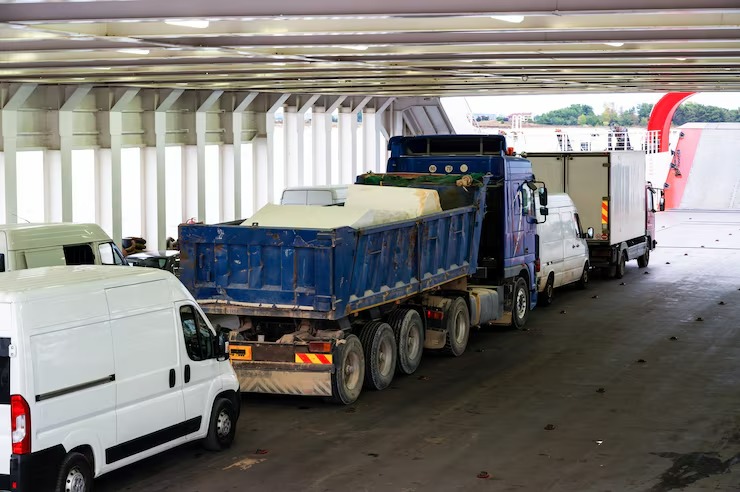
Heavy loads demand robust truck construction. Pickups must reliably support extreme pin weight while towing large trailers.
Why 3/4-Ton Trucks Cannot Pull a Fifth Wheel
Standard 3/4‑ton trucks lack structural capacity for heavy pin loads. Many buyers see high published ratings and assume 2500‑series trucks will work, but manufacturers design these models for lighter applications.
| Truck Model | Maximum Payload Capacity | Maximum Conventional Towing Capacity |
|---|---|---|
| 2024 Ford F-250 Diesel | 4,260 lbs | 22,000 lbs |
| RAM 2500 Diesel | 4,010 lbs | 20,000 lbs |
These headline figures can be misleading. The downward force from a heavy fifth wheel, combined with passengers and gear, easily pushes trucks toward overload. Excess weight strains braking systems and can deform the truck frame.
Operating an overloaded vehicle violates road laws and carries serious consequences:
- Licensing Class Restrictions: Heavy trailer combinations require upgraded licenses. A standard Class C license generally limits combined weights to 17,000 lbs. Combinations exceeding 26,000 lbs demand higher licensing classes.
- GCWR Compliance: Operators must respect listed GCWR limits. Most 3/4‑ton trucks have GCWR thresholds that cannot support this setup.
- Registration & Overweight Citations: Vehicle registrations must match actual operating weight. Weights exceeding registered limits by more than 500 lbs attract costly fines.
Overloaded light trucks endanger all road users.
Limitations of Single Rear Wheel (SRW) Trucks
Single rear wheel trucks have inherent physical constraints. Only two rear tires carry passengers, cargo and pin weight simultaneously.
| Risk Category | Specific Safety Hazard | Impact on Vehicle/Trailer |
|---|---|---|
| Vehicle Mechanical Strain | Transmission Overheating & Engine Stress | Overloading hurts vital truck parts. Transmission heat rises fast on hills. |
| Braking Issues | Brake Fade | Heavy trailers overwhelm stock brakes. Integrated controllers fail at high speeds. |
| Trailer Component Damage | Axle & Tire Failure | Extreme weight cracks trailer axles. Sudden tire blowouts happen instantly. |
| Structural Fatigue | Frame Weld Wear | Heavy weight weakens frame welds over time. |
| Handling Hazards | Dangerous Trailer Sway | Low tongue weight causes bad sway. Swerving causes fatal road crashes. |
Two rear tires cannot deliver adequate traction reserves. Published towing ratings do not reflect safety margins required for heavy fifth wheel applications. SRW trucks lack the capacity for secure highway towing of large fifth wheels.
Why Dual Rear Wheel (DRW) Duallys Are Mandatory
Dually pickups add two extra rear tires to resolve major stability concerns. The wider rear track spreads heavy pin loads across four contact points. Large fifth‑wheel trailers require this level of support.
Dually configurations deliver superior towing performance. The broad rear footprint suppresses sway and maintains control under crosswinds. Extra tires comfortably handle the 20% pin weight threshold while staying within safe tire load limits.
Dually trucks offer improved stopping power. Four rear tires double pavement grip, and heavy‑duty axle housings withstand substantial loads. A 1‑ton dually is essential for safe fifth wheel towing.
Comparing 1-Ton DRW Dually Models
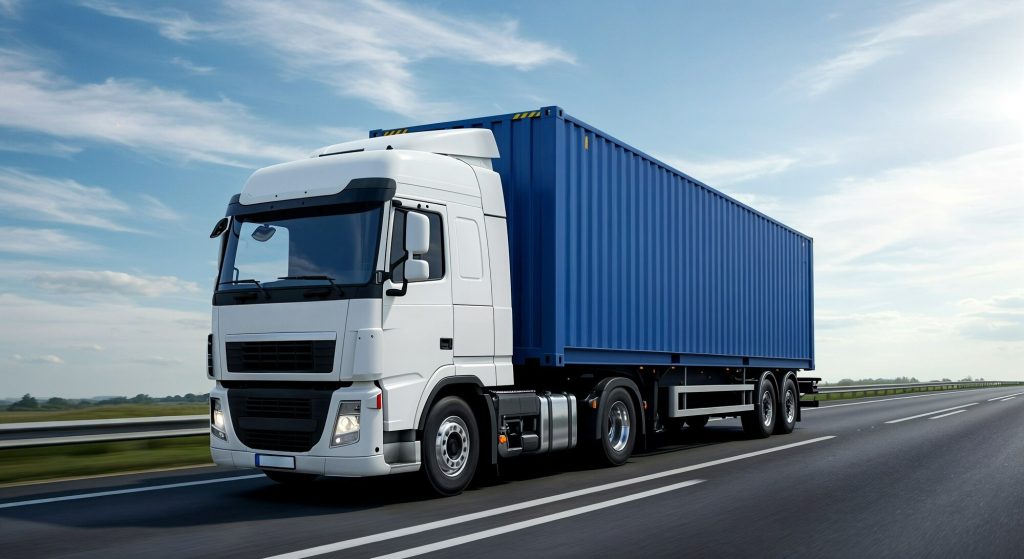
Buyers must check 1-ton dually trucks. These trucks haul a 20,000 lb trailer. Big brands build them very strong. They hold heavy pin weights well. Clear ratings help drivers pick good trucks.
Ford F-350 and F-450 Super Duty Specs
Ford dually pickups carry huge RV trailers. Drivers pull a fifth wheel easily. The F-350 DRW has strong power. It offers high payload limits.
| Towing Specification | Maximum Capacity | Engine Configuration Required |
|---|---|---|
| Conventional Towing | 28,000 lbs | 6.7L High-Output Turbo-Diesel V-8 |
| 5th-Wheel Towing | 35,000 lbs | 6.7L Turbo-Diesel V-8 or 6.7L H.O. Turbo-Diesel V-8 |
The Ford F-450 has wider front axles. It turns better in small spaces. Both trucks carry heavy pin loads well.
RAM 3500 HD Towing Capabilities
RAM makes strong trucks for hard jobs. The RAM 3500 HD pulls up hills. Its strong diesel engine works fast.
| Performance Metric | High-Output 6.7L Cummins RAM 3500 HD Specification |
|---|---|
| Maximum Torque Output | 1,075 lb-ft |
| Maximum Fifth-Wheel Tow Rating | 36,610 lbs |
Cab size changes payload capacity fast. Buyers must check each model type carefully.
| Configuration | Drivetrain | Maximum Payload Limit |
|---|---|---|
| Mega Cab 6’4″ DRW | 4×4 | 6,640 lbs |
| Crew Cab 8′ DRW | 4×4 | 7,200 lbs |
| Crew Cab 8′ DRW | 4×2 | 7,590 lbs |
The 4×2 Crew Cab carries the most. It holds a 5,000 lb load. It holds gear and people too.
Chevy Silverado and GMC Sierra 3500 HD
GM makes strong Silverado and Sierra trucks. These dually models use tough steel frames. Their Duramax diesel engines pull big trailers. Their high towing capacity fits large RVs.
| Vehicle Configuration | Max Fifth-Wheel Towing Capacity | Maximum Payload Rating |
|---|---|---|
| Chevrolet Silverado 3500 HD Duramax DRW (Regular Cab 2WD) | Up to 36,000 lbs | Up to 6,532 lbs |
These GM trucks provide smooth shifting via 10‑speed automatic transmissions, and integrated stability controls support highway safety.
Always verify official vehicle ratings to avoid dangerous overload. A properly specified 1‑ton dually enables legal, secure towing.
Essential Equipment for Heavy 5th-Wheel Towing
Heavy hauling requires purpose‑built components to maintain performance on steep grades.
High-Torque Diesel Engines and Axle Ratios
Powerful diesel engines generate the torque needed for heavy towing. Lower numerical axle ratios boost pulling capability:
- 3.55 ratio: Ideal for lighter loads
- 3.73 ratio: Suited for heavy towing, with increased fuel consumption
- 4.10 ratio: Delivers maximum torque but significantly reduces fuel economy
Long Bed Configurations vs. Short Beds
An 8‑foot long bed improves highway stability. It prevents contact between trailer and cab during turns and removes the need for sliding hitches.
| Feature / Consideration | Short Bed (around 6.75′) | Long Bed (8′) |
|---|---|---|
| Cab Clearance | Less space. Trailers can hit sharp turns. | Great space. Stops cab hits completely. |
| Hitch Requirements | Needs sliding hitches or offset pins. | Uses a simple fixed hitch. |
| Fuel Capacity | Small tanks hold 34 gallons. | Big factory tanks hold 50 gallons. |
Heavy-Duty Hitch Hardware and Kingpins
Safe towing depends on high‑strength steel hardware. Factory‑approved hitches and robust kingpins secure large trailers. Heavy brackets distribute trailer loads evenly.
Fleet operators often source validated components from FTrade. Specialised manufacturers build custom hitches engineered for high‑stress applications.
| Certification Standard | Scope & Safety Function |
|---|---|
| SAE J684 | Sets weight classes, tests, and safety. |
| ISO 1726 | Checks pin strength and safe connection. |
Certified hardware protects the complete tow setup and prevents frame damage over long distances.
A 1‑ton dual rear wheel diesel truck sets the baseline standard for safely hauling heavy fifth wheels. Towing professionals recommend maintaining a 10% to 20% safety margin between fully loaded trailer weight and the vehicle’s maximum rated capacity. This buffer ensures stable, legally compliant operation on open highways.
Do not rely solely on generic sales brochures. Confirm true towing and payload capacities using physical vehicle placards:
- Placard Location: Payload rating sticker mounted on the inner driver‑side door jamb.
- Calculation Formula: Payload Capacity = Gross Vehicle Weight Rating − Curb Weight.
Lastly, pair your dually truck with field‑tested heavy‑duty hitch hardware to safeguard critical frame components.
FAQ
Can a 3/4-ton truck pull a 20,000 lb trailer?
No. Drivers cannot use 3/4-ton trucks for this. Heavy pin weights exceed truck payload limits quickly. Overloaded trucks face major frame stress. They cause serious road hazards.
Why do drivers need a dually truck to pull a fifth wheel?
Dually trucks add two extra rear tires. Four tires spread heavy pin loads well. The wide rear stance stops trailer sway. It keeps trailers stable in wind.
Is a single rear wheel truck safe for heavy trailers?
Single rear wheel trucks lack enough payload capacity. Heavy pin loads overload two tires quickly. Drivers need 1-ton dually trucks for safety.
What certifications guarantee hitch hardware safety?
Makers test towing parts under strict rules. Good hardware meets SAE J684 and ISO 9001 standards. Parts undergo hard stress tests. Official standards guarantee high load endurance on roads.