Rain soaks a rusty padlock on a farm gate. You turn the key and nothing moves. Many users treat padlocks as disposable parts to replace once broken. This habit wastes money and brings hidden security risks. In fact, short‑term routine maintenance prevents most padlock failures. Even premium locks such as FTrade heavy‑duty padlocks with multi‑layer protective finishes require regular care for reliable performance. This maintenance guide covers simple cleaning, drying and lubrication steps. You will also learn practical fixes for frozen locks and stuck mechanisms, so you can maintain your security hardware by yourself.
Key Takeaways
- Regular cleaning, drying, and lubricating with PTFE dry lubricant stops rust and helps padlocks work smoothly.
- Use PTFE dry lubricant instead of WD-40 or oil-based products; WD-40 cleans but does not protect long-term.
- Clean and oil outdoor padlocks monthly, indoor ones every three to six months, and after heavy rain or dust.
- Check padlocks often for rust, stiffness, or damage; replace them if they don’t lock properly.
- Use padlock covers to keep moisture away, and store them in a dry place so they last longer.
Why Trailer Lock Maintenance Matters
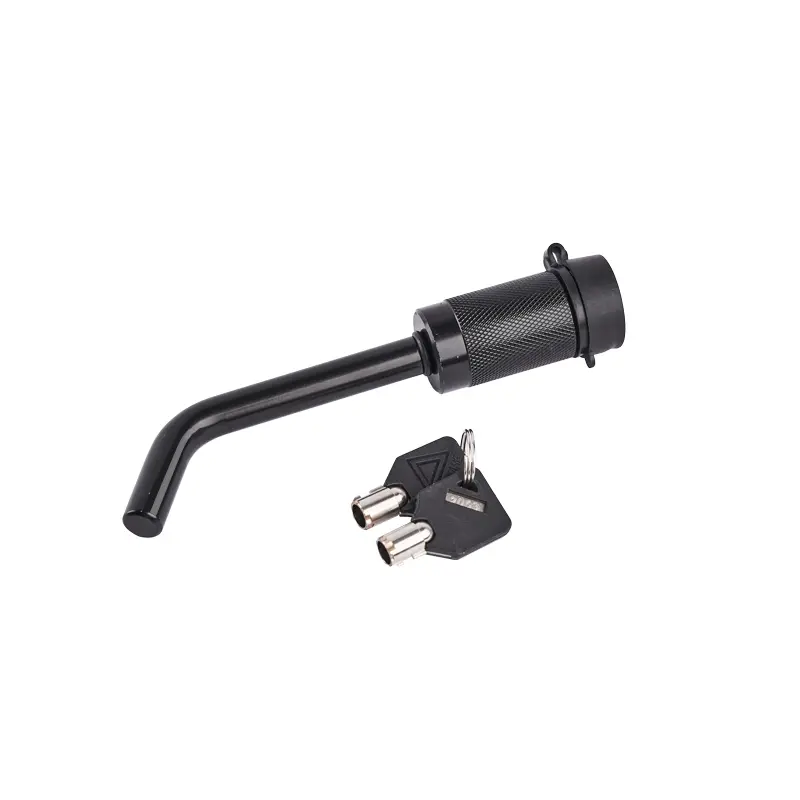
Padlocks constantly face damage from weather, dirt and aging. Top‑quality hardware still requires scheduled care. As a trusted towing hardware manufacturer, FTrade produces locks finished with multi‑layer E‑coat and galvanized coating, delivering more than 500‑hour salt‑spray resistance. No surface finish stays fully protected forever. Environmental exposure will eventually find weak points. Basic maintenance stops minor defects from turning into costly, dangerous failures.
Preventing Rust and Corrosion
Rust develops once moisture reaches bare steel. Zinc coatings greatly slow corrosion, since zinc corrodes roughly 1/30 as fast as raw steel. The zinc layer acts as a sacrificial barrier and corrodes first to protect the inner steel. Two common zinc‑coating methods are available. Electro‑plating deposits a thin zinc film, while hot‑dip galvanization creates a thicker protective shell by submerging steel in molten zinc. Both block moisture contact.
Outdoor locks in humid or marine locations need extra protection. Saltwater aggressively attacks metal parts. Moisture‑displacing lubricants flush trapped water from keyways and shackle openings, forming an internal rust‑resistant barrier. Corrosion‑resistant base materials including stainless steel, brass and aluminum deliver natural rust resistance. Additional seals such as vinyl casings, rubber keyway caps and gaskets block moisture and debris.
| Method | Description |
|---|---|
| Moisture-displacing lubricant | Sprays into keyway and shackle openings to push out water and create a protective barrier |
| Corrosion-resistant materials | Stainless steel, brass, or aluminum resist rust in humid climates |
| Regular maintenance | Clean with cloth, apply dry lubricant twice yearly |
| Protective coatings and seals | Vinyl casing, rubber keyway covers, gaskets shield against moisture |
Ensuring Smooth Operation and Longevity
Unmaintained locks grow stiff and unreliable. Dirt builds inside the cylinder, causing sticking or broken keys. Replacement costs far exceed simple maintenance work. Clean the lock body and shackle with a cloth, then apply graphite or PTFE dry lubricant twice a year. This routine prevents rust and smooths internal movement.
Lubricant selection directly impacts padlock performance. Wrong products trap dirt and hold moisture, while suitable lubricants deliver smooth movement and anti‑rust protection. Graphite powder and silicone sprays are widely used, yet PTFE dry lubricant offers superior long‑term results.
Choosing the Right Trailer Lock Lubricant
Lubricant selection directly impacts padlock performance. Wrong products trap dirt and hold moisture, while suitable lubricants deliver smooth movement and anti‑rust protection. Graphite powder and silicone sprays are widely used, yet PTFE dry lubricant offers superior long‑term results.
Graphite vs. Silicone Sprays
Graphite powder is a traditional lock lubricant that resists dust accumulation in dry environments. Over time, powder residue builds inside cylinders and jams lock pins, which many professional locksmiths warn against.
Silicone spray coats metal surfaces evenly and displaces moisture. It works well for general outdoor use, yet excess silicone attracts grit. Neither option delivers ideal long‑term performance.
PTFE dry lubricant (Teflon‑based lube) is the top‑ranked solution for padlocks. It forms a water‑repellent, non‑stick dust‑resistant film and will not freeze under cold conditions, perfect for rain‑exposed outdoor locks. Leading padlock manufacturer Squire Locks recommends PTFE dry lubricants for commercial‑grade locks and warns against oil or household spray products. Locksmith experts suggest well‑known PTFE dry‑lubricant brands such as Tri‑Flow. Compared with graphite powder and oil sprays, PTFE dry lube sheds water better, resists freezing and repels grit.
Why WD-40 Is Not a Lubricant
Many people spray WD‑40 on stiff locks, which is a common mistake. WD‑40 functions as a solvent‑based cleaner rather than true long‑term lubrication. It loosens rust and dirt temporarily, but evaporates quickly, leaving sticky residue that attracts dust and gums up lock pins.
WD‑40 has one valid maintenance use: flush debris and corrosion out of the keyway. After cleaning, dry the lock completely and add proper dry lubricant. Never use WD‑40 for ongoing moisture protection. PTFE‑based dry lubricant remains your best choice against corrosion and sticking.
Trailer Lock Cleaning & Lubrication
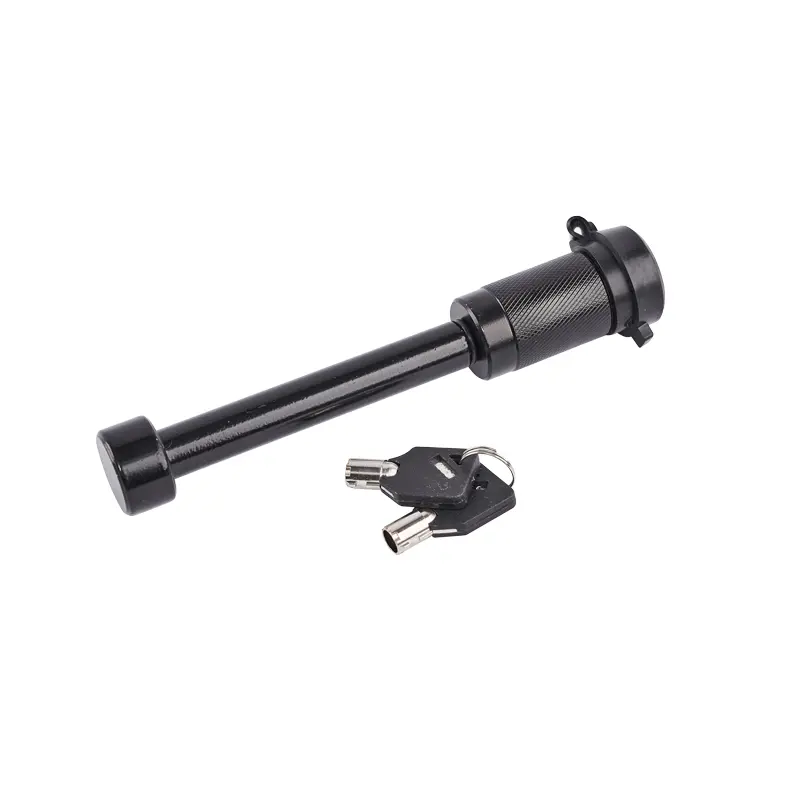
Cleaning and lubrication form the core padlock‑care workflow. Many owners skip thorough cleaning and only spray oil, which rarely solves underlying issues. Full‑scale maintenance removes trapped grit and moisture, while suitable lubricants keep internal parts moving freely. The process requires no specialist tools.
How to Clean and Dry the Lock
Old grease and trapped dirt hold moisture against metal surfaces and speed rust formation. Flush out contaminants from the cylinder using solvent spray.
Step‑by‑step cleaning workflow:
- Spray solvent such as WD‑40 directly into the lock cylinder using the extension straw nozzle.
- Insert the key and turn it repeatedly. Wipe dirt off the key after every rotation.
- Repeat spraying and turning until the pulled‑out key stays clean.
- Let the padlock dry fully before lubrication.
Acetone removes heavy dirt and rust, yet it may damage painted finishes and releases harmful vapors. Work in ventilated space with safety eyewear. Fast‑evaporating aerosol contact cleaners also flush keyways efficiently. Remember WD‑40 serves only as temporary penetrating cleaner, not long‑term protection.
Applying Lubricant and Working the Mechanism
Once fully dry, lubricate the lock. Select PTFE dry lubricant or graphite powder; oil‑based sprays trap grit and cause long‑term jamming.
Lubrication procedure:
- Pick dry lubricant with a fine straw nozzle for precise application.
- Give one short spray burst into the keyway and shackle openings (where accessible).
- Insert and rotate the key multiple times to spread lubricant across internal components.
- Wipe excess residue and leave the lock to rest briefly before use.
The protective dry‑lubricant film blocks moisture contact with bare metal and greatly improves rust resistance.
Recommended maintenance schedule:
| Maintenance Task | Full-time RV living | Weekend/Occasional trips | After heavy rain/dust |
|---|---|---|---|
| Cleaning | Every 2 weeks | Once a month | After each trip |
| Lubrication | Every 2 months | Every 3 months | Right after the trip |
Minutes of routine care prevent frozen keys and stuck shackles and deliver reliable long‑term security.
Creating a Trailer Lock Maintenance Routine
Scheduled padlock maintenance prevents unexpected breakdowns. FTrade multi‑coated locks resist 500+ hours of salt‑spray exposure, yet outdoor weather gradually wears protective layers. Match your maintenance cycle to your operating environment to save time and maximize performance.
Routine for Outdoor and Harsh Conditions
Outdoor padlocks require more frequent service. Marine salt‑air environments bring the fastest corrosion risk, followed by dusty roads and wet weather. Monthly inspection works best.
Stop and service your lock immediately if you notice:
- Deep rust on lock body or shackle
- Visible body cracks
- Bent shackle
- Stiff‑turning key, loose lock housing or failed closure
- Heavy surface wear or structural damage
Four‑step monthly outdoor maintenance workflow:
- Wipe lock body and shackle with a dry cloth.
- Flush the keyway with solvent spray to remove dirt.
- Allow full drying.
- Spray PTFE dry lubricant into keyway and shackle openings, then rotate the key several times.
Follow seasonal reminders: inspect and lubricate all outdoor padlocks before winter, when freezing temperatures and road salt increase corrosion risk. Complete another post‑summer inspection to detect heat‑and‑humidity‑related wear. Marine‑area users should add extra checks after storms. Rubber or vinyl protective boot covers keep rain and dust out of the keyway and lengthen lubrication intervals.
Routine for Indoor and Light Use
Indoor locks stay dry and clean, requiring maintenance every 3‑6 months. Follow identical clean‑dry‑lubricate inspection steps. Check for smooth key rotation and solid, rattle‑free lock housing. Apply small amounts of dry lubricant every six months to prevent hidden internal rust.
Core schedule difference summary: outdoor / marine locks monthly; indoor locks every 3‑6 months. Both workflows follow clean, dry, lubricate, inspect. Five‑minute monthly maintenance adds multiple years of usable life to outdoor padlocks.
Troubleshooting Common Trailer Lock Problems
Even well‑maintained locks can malfunction. Frozen cylinders, stuck keys and broken‑key‑inside incidents are common frustrations. Never force a stiff lock, as brute force breaks internal parts. Most faults can be resolved safely with calm troubleshooting.
Fixing Frozen Locks and Stuck Keys
Trapped water inside the cylinder freezes in cold weather and locks the key. Safe thawing options:
- Spray aerosol lock de‑icer directly into the keyhole
- Use heated lock‑de‑icer products
- Gently warm the key with a lighter (avoid over‑heating and bending)
- Blow low‑heat warm air from a hairdryer
- Apply hand sanitizer on the key or keyway, alcohol lowers freezing point
- Pour warm (non‑boiling) water over the keyhole, then fully dry and lubricate afterwards
Boiling‑water application will crack lock components and must be avoided. After thawing, dry completely and add fresh dry lubricant to stop future freezing.
If a key snaps inside the cylinder: do not push the broken fragment deeper. Set the cylinder to neutral position. When the broken tip remains visible, carefully pull it out with fine needle‑nose pliers or tweezers. Light graphite lubricant can ease removal. Avoid superglue, drilling or rough tools which permanently destroy locks. Call a professional locksmith when the fragment sits deep inside, the key broke mid‑turn, or the lock secures high‑value property. After key removal, inspect cylinder wear. Replace the cylinder if stiffness or metal debris appears.
Inspect the Lock for Wear and Damage
Carry out visual wear checks during every maintenance session.
| Visible Sign of Wear | What It Looks Like / Why It Matters |
|---|---|
| Hard to operate | Dial won’t spin smoothly; shackle needs force to open; inner parts are wearing down or dirty. |
| Rust or corrosion | Orange-brown spots, especially around the shackle and keyhole; worse in humid or coastal areas. |
| Unreliable combination/key | Correct code or key fails sometimes; inner mechanism is failing and may lock you out. |
| Loose or wobbly body | Lock body rattles or moves apart from the shackle; inner housing is damaged. |
| Broken or missing parts | Missing rubber grips, cracked dials, fraying cables, or loose parts show structural failure. |
| Fails to secure after closing | Shackle clicks but wiggles free; the lock is not securing anything and must be replaced now. |
Rust weakens metal structure. Any lock that cannot hold securely must be replaced. Attempting to repair structurally damaged locks wastes time and creates security hazards. Regular inspection paired with proactive maintenance protects your property.
Advanced Trailer Lock Care & Quality
Business‑owned heavy‑duty padlocks fitted on trailers, gates and industrial equipment endure harsh, high‑frequency use. Standard household maintenance is often insufficient. Commercial operators need high‑spec locks plus heavy‑duty service plans.
Protecting High-Security and Commercial Locks
FTrade heavy‑duty padlocks are engineered to comply with SAE J684 and ISO 9001 industrial standards. Products pass strict real‑world tests: double Class V towing‑load strength, long‑term marine salt‑spray simulation, 5,000‑cycle cylinder durability testing and high‑pressure water sealing inspection.
Bulk buyers may request full test documentation. FTrade delivers custom OEM / ODM services covering lock dimension, surface finish and brand marking. Multi‑layer E‑coat plus galvanized finishes achieve over 500‑hour salt‑spray resistance, ideal for marine‑location padlocks. Commercial customers receive material‑certification and dimensional‑inspection reports, plus full traceability records for internal quality assurance.
How to Protect a Padlock from Rust Long-Term
Long‑lasting anti‑rust protection requires scheduled maintenance rather than occasional cleaning. Store unused padlocks indoors in dry locations. Before long‑season storage, fully clean, dry and apply light protective lubricant.
Add‑on protective accessories create secondary moisture barriers: vinyl / plastic outer casings, rubber keyway dust caps and shackle‑opening gaskets. These simple upgrades significantly extend padlock lifespan.
Choose corrosion‑resistant materials to match operating conditions: stainless steel for wet locations, hardened steel for maximum strength, lightweight aluminum for marine‑use padlocks, and zinc‑coated steel for cost‑effective outdoor weather resistance.
Even premium‑material locks need bi‑annual visual inspections. Inject graphite or PTFE dry lubricant into keyway and shackle openings, then rotate the key for even coverage. Spray moisture‑displacing lubricant before the first winter freeze to expel trapped water. If ice forms, thaw gently with hairdryer or de‑icer spray. Never force a frozen key.
Consistent maintenance paired with quality hardware delivers stable long‑term security. Businesses that follow padlock care schedules cut replacement costs and safeguard valuable assets.
A few minutes of preventive maintenance with the clean‑dry‑lubricate workflow prevents most padlock failures. PTFE‑based dry lubricants out‑perform oil‑based alternatives in corrosion resistance and water repellency. All locks, including premium high‑end models, need regular servicing. Inspect your padlocks today, with extra rust checks for marine‑exposed hardware. Lubricate after cleaning and stick to monthly inspection cycles. Well‑maintained FTrade multi‑coated padlocks deliver optimal security and service life.
FAQ
How often should someone lubricate a padlock?
Lubricate outdoor padlocks every 2‑3 months, indoor locks every six months, and marine‑exposed locks monthly. Salt‑laden air accelerates internal wear. A consistent cycle prevents sticking and rust buildup.
What type of lubricant works best for lock padlocks?
PTFE dry lubricant outperforms graphite and silicone sprays. It repels water, resists dust and will not freeze in cold weather. Oil‑based lubricants trap grit and jam cylinders. WD‑40 is only suitable for short‑term cleaning rather than long‑term protection.
Can a frozen padlock be saved?
Yes. Spray lock de‑icer into the keyhole or gently warm the key with a lighter. Low‑heat hairdryer thawing also works. Never pour boiling water over the lock. Dry completely after thawing and add fresh dry lubricant to stop re‑freezing.
How does salt water affect padlock security?
Salt water aggressively eats away protective surface coatings. Even locks rated for 500‑hour salt‑spray resistance need monthly maintenance in marine environments. Wipe locks after salt‑water exposure and fit protective covers against corrosive salt air.
When should someone replace a padlock instead of repairing it?
Replace your padlock if heavy rust covers the body, the shackle bends, the key fails to turn smoothly, or the lock cannot hold closed securely. Visible structural damage marks the end of service life, no matter how well‑maintained the lock was.