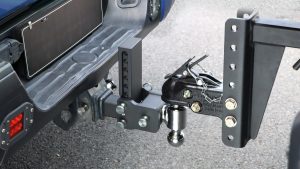
A practical trailer coupler maintenance checklist covers five essential steps: pre‑trip inspection, proper greasing, wear‑and‑damage inspection, scheduled upkeep and towing safety rules. Improper coupling ranks among the most dangerous towing hazards. This checklist follows mainstream safety standards. Each quick check takes minutes and prevents costly, life‑threatening failures. Regular maintenance protects both occupants and cargo.
Key Takeaways
- Take 60 seconds before you leave to check that the coupler, safety chains, and breakaway cable are all secure.
- Grease the coupler before each trip to cut down on wear, stop rust, and keep it working smoothly.
- Check often for cracks, flat spots, and rust. Replace worn parts right away to stop dangerous breakdowns.
- Follow a maintenance schedule: check the coupler before every use, once a month, and have a professional inspect it every year.
- Use the same size coupler and hitch ball, and never go over the weight limit to avoid accidents.
Pre-Trip Trailer Coupler Checks
A quick pre‑dispatch inspection is vital. Verify your coupler, safety chains and breakaway cable. A full safety audit also covers tires and the main trailer hitch. This routine confirms your latch and ball connection are locked and stable before you hit the road.
Coupler-Hitch Connection Check
First, confirm the coupler latch closes completely and the tow ball sits fully inside the socket. Size mismatch causes dangerous trailer sway, rattling noise and accelerated wear. Common warning signs include highway fishtailing, brake clunks and excessive connection play. The ball must fully seat so the inner lip grips it firmly.
Use the jack‑lift test for confirmation: raise the trailer tongue until your tow vehicle lifts roughly one inch. If the connection stays locked, it is secure. Never force‑fit the safety pin. Misaligned holes mean the ball has not seated correctly.
Cross safety chains underneath the trailer tongue. They catch the tongue if the coupler disconnects. Make sure no chains or wires drag on pavement.
Unsecured coupling creates serious towing risks. Build a habit of confirming seating, latch closure and pin installation before every journey.
Safety Pin and Breakaway Cable Inspection
Insert the safety pin once the latch locks. Attach your breakaway cable to a load‑bearing point on the tow‑vehicle frame, never to the ball mount, hitch ball or safety chains. This keeps the cable anchored if separation occurs. Route the cable separately from chains to avoid tangling. Leave enough slack for turning movements, yet keep it off the ground.
Test the emergency breakaway system by pulling the release pin firmly. Trailer brakes must activate instantly to stop roll‑away. Finish your pre‑trip routine with a tire inspection. These quick, simple checks help you avoid catastrophic coupler failure.
Trailer Coupler Lubrication Guidelines
Coupler Grease Type and Application Points
Grease enables smooth sliding between ball and coupler, reducing metal‑on‑metal friction and rust risk. A well‑lubricated coupler delivers safe, quiet towing. Without lubrication, fast wear and sudden failure may occur.
Apply a thin coat of automotive‑bearing grease to the ball pocket before every trip. Lubricate pivot joints with SAE 30W motor oil.
| Component | Recommended Lubricant |
|---|---|
| Couplers, hitch balls, kingpins | Anti-seize compounds or molybdenum disulfide greases |
| Jack screws, winches, threaded hardware | Medium-viscosity grease or white lithium grease |
| Pivot points, hinges, suspension bushings | Synthetic multi-purpose or specialty greases |
| Fast-moving sliding surfaces | Dry-film lubricants or PTFE/silicone sprays |
Adjust lubrication points to your coupler style. Grease the ball pocket for gooseneck couplers and oil pivot points. Coat four corners of square‑post couplers with white lithium grease. Quality lubrication extends your coupler’s working life.
Coupler Lubrication Frequency
Grease before every towing trip. For infrequent use, re‑grease once per month. Always refresh grease after washing or submerging your trailer. Boat trailers require extra attention because saltwater speeds corrosion. Monthly greasing prevents rust buildup on the ball and coupler body.
Test coupler movement during maintenance. Sticky latches or poor ball seating signal you need fresh lubricant. Consistent lubrication prolongs service life. Rinse and re‑lubricate boat‑trailer components after salt‑water exposure for rust‑free, smooth hitch operation.
Trailer Coupler Wear and Damage Check
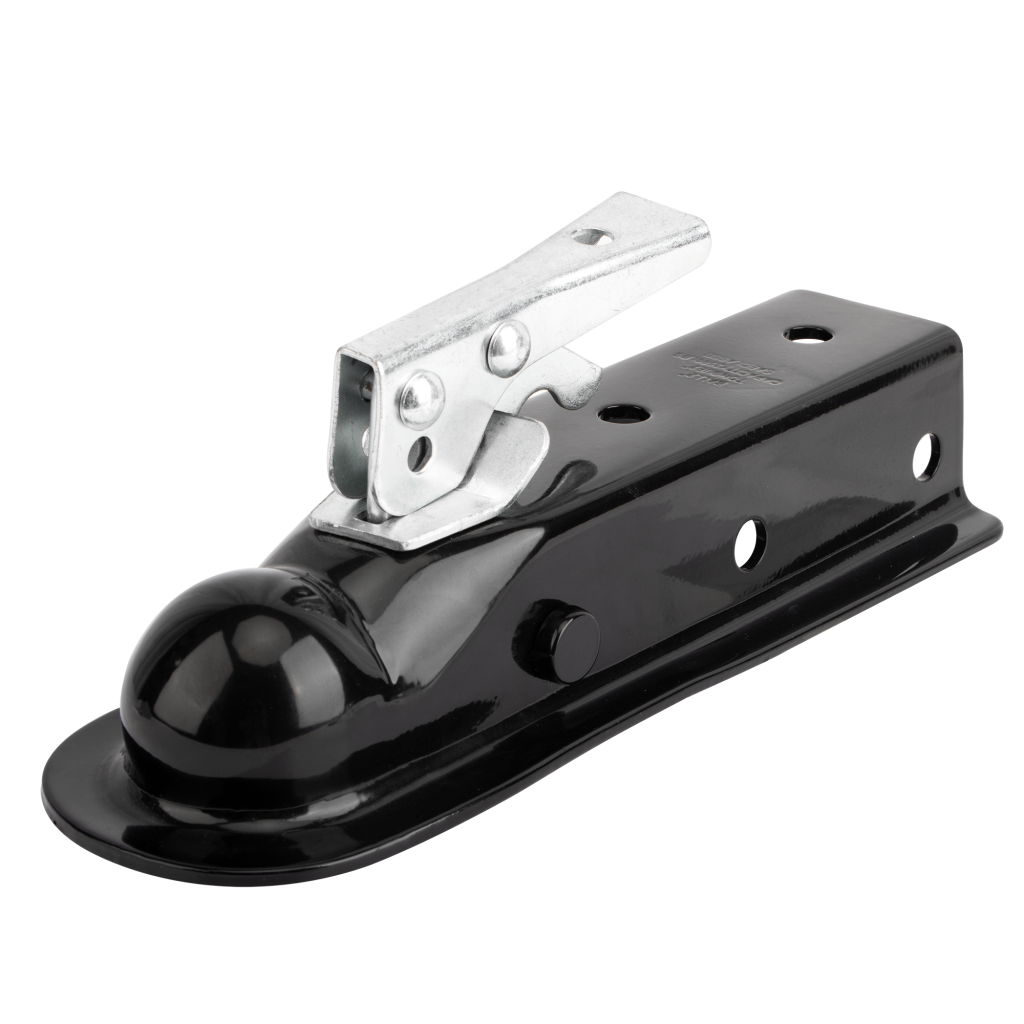
This checklist covers core coupler safety items. A full inspection also reviews the hitch and trailer‑frame mounting points. Early‑stage wear detection lowers accident risk. Factory‑built couplers are engineered to meet official load‑rating standards.
Inspecting Coupler for Flat Spots and Corrosion
Check visually for metal damage. Pay close attention to weld seams and high‑stress zones for cracks. Marine‑used trailers face higher corrosion risks. Follow industry wear limits: a 2‑inch kingpin should not wear beyond 1/8 inch. Excessive lateral jaw play is unacceptable. Over‑height tow vehicles often score coupler plates. Frame‑weld cracks and rust pitting weaken structural strength; replace damaged parts at once.
| Indicator | Symptom / Detection | Inspection Criteria |
|---|---|---|
| Jaw surface wear | Clunking sound on acceleration or braking | Lateral play between kingpin and locking mechanism |
| Kingpin diameter wear | Reduced locking security | Replace if worn 1/8 inch or more (SAE J2228) |
| Coupler plate warping | Uneven loading, shortened lock life | Check flatness with 48-inch straightedge |
Checking Coupler Locking Mechanism
Your latch must fully engage and clamp the hitch ball tightly. Worn latches create connection play that may trigger accidental uncoupling. Complete two quick verification steps:
- Lift the trailer tongue with your jack; the coupler must not pull away from the ball. Pull backward manually — no rattling or looseness is allowed. Minor adjustment on the locking nut can remove slight play.
- Insert the safety pin after latching. Easy hole alignment confirms proper ball seating. Stop and re‑seat if pin insertion requires force.
The jack‑lift test confirms secure engagement. Swap out worn latch components immediately to prevent dangerous separation on the road.
Trailer Coupler Maintenance Schedule
Structured maintenance protects you and your cargo. Three inspection tiers are recommended: pre‑use quick check, monthly deep inspection and annual professional service. Combined, they catch minor defects before they turn into major hazards.
Pre-Use and Monthly Trailer Coupler Checks
The pre‑trip routine verifies coupler‑latch function, ball‑size match and safety‑pin installation. Confirm breakaway‑cable frame anchorage. Tug‑test the connection and inspect tires, trailer lights and load security.
Your comprehensive monthly inspection includes:
- Visually check coupler for cracks, bends or heavy rust. Cycle the latch repeatedly. It must lock firmly onto the ball with zero free play.
- Double‑check exact ball‑to‑coupler sizing. Torque the ball mount to OEM specifications and secure with a pin.
- Inspect safety chains for stretched links, cracks or rust. Cross chains in an X‑shape below the coupler and leave proper turning slack.
- Test electric‑brake breakaway function: pull the emergency pin, confirm brakes activate instantly, then reset the pin.
Tighten loose frame bolts and inspect weld‑zone cracks. Examine your trailer jack, springs and suspension. Boat trailers need extra post‑water maintenance, as salt accelerates metal corrosion.
Annual Professional Coupler Inspection
A qualified technician carries out a deep annual audit covering coupler, hitch and drawbar. They check for cracks, bending, heavy rust, missing hardware and poor ball fit, plus smooth jack movement and frame mounting integrity.
Road‑salt zones and freeze‑thaw regions speed up metal wear. Two seasonal professional inspections (pre‑winter & post‑winter) are strongly advised. Technicians document wear with dated photos and build a maintenance log for compliance. Always follow the manufacturer’s official replacement schedule. This checklist serves as guidance only — your OEM manual takes priority.
Trailer Safety Tips and Load Ratings
Understanding Trailer Weight Ratings
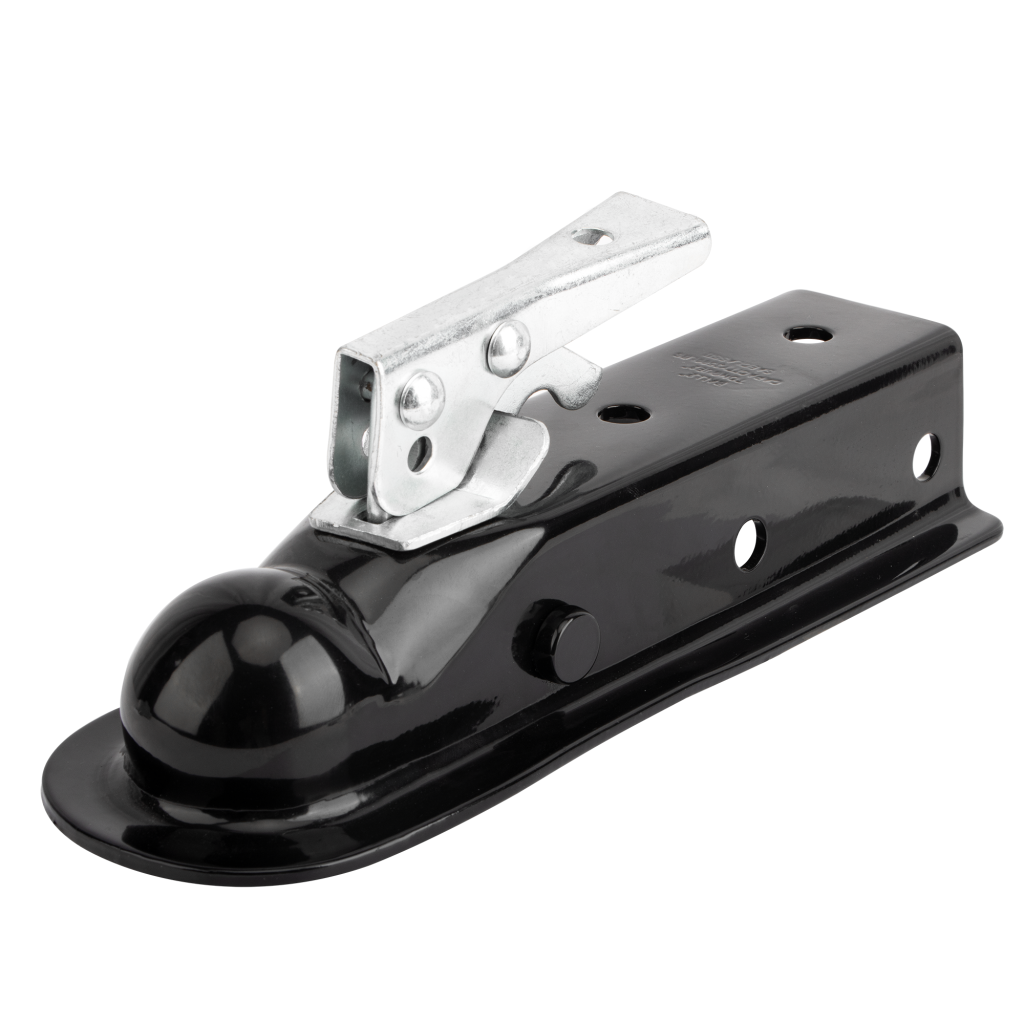
Every coupler has a printed maximum load limit. Overloading over‑stresses the hitch, receiver and mounting brackets. Consequences include component flex, accelerated wear or catastrophic failure. Overloaded trailers become unstable during lane changes and cross‑winds, prone to dangerous sway. Brake efficiency drops and emergency stopping distances lengthen. Extra strain also overheats your engine, harms transmission shifting, compresses suspension past safe limits, causes metal fatigue and raises tire blow‑out risk.
Hitch classes define maximum Gross Trailer Weight (GTW) and Tongue Weight (TW). Your coupler rating must meet or exceed the trailer’s Gross Vehicle Weight Rating (GVWR). Read the stamped markings on your coupler to confirm GTW and compatible ball size. Match ball diameter exactly to the coupler opening. Measure openings with calipers if no marking exists. Never force‑fit mismatched sizes. Exact dimensional match guarantees stable towing performance.
Replacing Worn Trailer Coupler Parts
Certain forms of damage require full‑part replacement, not repair. Replace the upper coupler plate if it fails flatness testing with a 48‑inch straightedge. Change out 2‑inch or 2.88‑inch kingpins once wear reaches 1/8 inch. Immediately replace any part showing nicks, gouges, deformation or cracks. In‑transit shaking, rattling, jerking during braking or turning are serious failure warnings.
Your safety checklist must audit coupler hardware, frame integrity and tire health. Boat trailers need heightened corrosion inspections. Timely part replacement prevents dangerous trailer detachment. Always use certified towing components. Regular inspection and proactive replacement safeguard your vehicle, driver and cargo.
This maintenance checklist covers 5 core sections: pre‑trip inspection, lubrication, wear inspection, scheduled servicing and load‑safety guidance. Consistent implementation lowers accident risk, cuts expensive repair costs and extends coupler service life, keeping passengers and cargo safe on every trip.
Print this checklist and store it inside your glove box. Schedule regular professional inspections. A few minutes of preventive maintenance creates safer towing for every journey.
FAQ
What Do FMCSA Rules Require for Coupler Safety?
Safety guidelines say you must check the system before you leave. Roadside inspections look at how the latch locks. Following these rules helps you avoid problems on the road.
What Does a Pre-Dispatch Inspection Checklist Cover?
A pre-dispatch inspection checklist looks at the coupler, safety pin, and tires. This maintenance checklist helps drivers finish the inspection before they travel.
How Does Boat Trailer Maintenance Differ from Standard Care?
Boat trailer maintenance needs extra care after using it in saltwater. Rinse all metal parts after each launch. A trailer safety inspection stops rust from causing damage.
Why Is Coupling System Compliance Important for Commercial Drivers?
Coupling system compliance with safety standards stops separation accidents. Regular checks keep the system legal and safe.
How Often Should a Driver Use the Maintenance Checklist?
A practical trailer coupler maintenance checklist covers five essential steps: pre‑trip inspection, proper greasing, wear‑and‑damage inspection, scheduled upkeep and towing safety rules. Improper coupling ranks among the most dangerous towing hazards. This checklist follows mainstream safety standards. Each quick check takes minutes and prevents costly, life‑threatening failures. Regular maintenance protects both occupants and cargo.