The 80% towing rule sets an important safety guide for drivers. You can tow safely by keeping your total trailer weight under 80 percent of the vehicle’s maximum limit. Car makers determine official towing limits in perfect test labs. However, real roads and rough trails present unexpected driving dangers. Driving up steep hills strains the engine. Strong winds push trailers around. Stopping quickly takes much longer with a heavy load. Leaving a 20 percent safety buffer protects your vehicle’s parts from damage during tough drives. Drivers stay in control and avoid costly repairs by following this smart limit.
Key Takeaways
- Make sure your total trailer weight stays under 80 percent of your truck’s maximum towing limit.
- Take away the weight of passengers and cargo from your total limit before hooking up your trailer.
- Keep a 20 percent safety buffer to protect your engine and decrease the distance needed to stop.
- Evenly spread out the weight in your trailer to avoid unsafe wobbling and keep full control of your steering.
Understanding the 80% Towing Rule
Defining the 80% Safety Buffer
Drivers use the 80% towing rule as a helpful limit. This habit creates a safe towing target for normal road trips. Drivers find this safe limit by staying well under their total towing capacity. The math includes both your heavy trailer and all the gear inside.
The 80% rule is easy to learn but very important: never tow more than 80% of your total towing limit. This safety gap gives your vehicle extra power for tough driving conditions, like steep mountain roads that strain your engine, transmission, and brakes. If your truck can safely tow 10,000 pounds, your fully loaded trailer should stay under 8,000 pounds.
Going over this safety limit causes vehicle parts to break down faster. Leaving extra towing power helps your truck stop quickly and stay steady on steep hills.
Essential Weight Ratings Explained
Car makers set clear weight limits to keep drivers safe. Drivers should check the gross vehicle weight rating, which limits the weight of the truck by itself. Drivers must also check the gross combined weight rating. This rating limits the total weight of both your truck and trailer combined. Finally, the gross trailer weight measures the total weight of a fully loaded trailer.
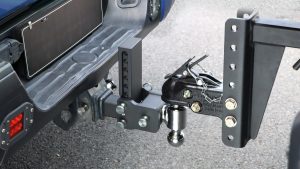
Keeping your load steady depends on tongue weight, which measures the downward push of the trailer on your hitch. The National Highway Traffic Safety Administration shares these helpful steps for safe loading:
- Low tongue weight (under 10–15% of trailer weight) lifts the hitch, causing the trailer to swing wild.
- Bad weight balance (changing the 60/40 rule, with 60% up front) moves weight back, making towing unsafe.
Drivers stay safe by keeping all gear and vehicle weights inside factory limits. Knowing these limits prevents dangerous road emergencies.
Calculating Safe Towing Capacity
Evaluating Vehicle Towing Capacity
Car makers use detailed tests to set official towing capacity limits. Engineers test engine power, frame strength, cooling systems, and brakes inside test labs. Standard tests like SAE J2807 check how vehicles handle steep hills and quick speed increases. However, factory test labs create perfect driving conditions. Drivers must find their real towing limits by adding up actual gear, riders, and rough weather.
Overloading a vehicle can lead to serious safety hazards, damage to the truck and trailer, and result in hefty fines from authorities.
Riders and bed gear use up your available payload limit very quickly. Four adult passengers easily add 700 lbs of weight inside the cabin. Heavy camp gear, coolers, and extra tools take up more truck space. These extra items lower your available towing limit before you connect a trailer. Careful planning prevents dangerous vehicle strain on open roads and highways.
Calculating the 80% Towing Rule Margin
Finding your safe towing limit takes simple math skills. A vehicle owner first finds the published towing limit in the owner manual. The driver then multiplies this official number by 0.80 to get the real towing limit for regular trips. For example, a truck rated to tow 10,000 lbs gets a safe towing limit of 8,000 lbs. This simple step keeps your gross combined weight rating well inside safe driving limits.
Insurance companies may deny coverage if the vehicle was operated outside of the manufacturer’s specifications.
Using the 80% towing rule protects your truck from expensive part damage. Towing near your top weight limit creates extreme heat inside the engine and transmission. Keeping a twenty percent safety space lowers wear and tear during long highway trips. Normal gas stops give hot vehicle parts a chance to cool down. This easy habit protects your truck while keeping your trailer weight safe on long drives.
Real-World Risks of Towing at Maximum Limit
Engine Strain and Increased Stopping Distance
Operating a vehicle near maximum towing capacity creates extreme mechanical stress. Engines work much harder to pull heavy loads up steep highway inclines. Excess heat builds up rapidly inside vehicle transmissions during long mountain drives. Transmissions overheat quickly without extra fluid cooling systems. Drivers experience reduced engine power and sudden mechanical failures when pushing factory limits. Understanding overall vehicle towing capacity prevents severe engine strain over long highway trips.
Heavy loads drastically increase stopping distances on open highways. Extra weight pushes the vehicle forward during sudden braking maneuvers. Braking components generate intense heat and lose efficiency under continuous friction. Safe drivers maintain an extra safety margin below published towing capacity limits to ensure proper brake responsiveness. Adequate stopping distance protects surrounding traffic from unexpected highway collisions.
Vehicle Instability and Trailer Sway
High speeds and strong crosswinds trigger severe operational instability during highway travel. Heavy cargo pushes forcefully against the rear axle of the vehicle. A heavy trailer can sway unpredictably across travel lanes. This dangerous motion threatens driver control during sudden emergency turns. Safe towing requires constant vehicle control and driver focus.
Specialized hardware helps reduce structural strain when hauling heavy loads:
- Manufacturers state that a weight distribution hitch prevents trailer sway and improves stability and control.
- Using such a hitch makes a massive difference in safety for a trailer weighing 5,000 pounds or more.
- A rated system allows drivers to operate at the maximum capacity of the receiver hitch while maintaining full steering control.
Drivers avoid dangerous emergency situations by maintaining a buffer below the maximum towing capacity. Respecting recommended towing capacity limits protects internal transmission parts from early mechanical wear. Staying well within rated towing capacity limits ensures overall vehicle safety on every highway journey. Proper load planning keeps vehicle payload and towing setups running smoothly for many years.
Hidden Payload Traps and Emergency Prep
How Cargo and Passengers Reduce Limits
Riders, extra gas, and bed gear lower your truck’s actual payload space. Carrying heavy equipment in the cab reduces total pulling power. You need to count every passenger, tool, and fuel tank before driving away. Subtracting all added cabin weight from factory limits gives you a accurate towing limit. Every single pound placed in the truck bed reduces your hauling capacity. Extra gear cuts into towing ability well before you attach a trailer hitch.
Poor tongue weight balance can cause major control problems on rough roads. A trailer needs enough front weight to stay steady on bumpy trails. Too much rear weight lifts the front tires, reducing steering grip. Unbalanced cargo can cause a sudden loss of control on steep hills. Drivers maintain proper tongue weight balance to protect their total towing limit. Correct loading stops trailer sway, protects your capacity, and keeps steering fully responsive.
Essential Recovery Gear for Safe Trips
Risky trail accidents occur when people haul heavy trailers near maximum limits. Deep mud, soft sand, and rocks easily trap overloaded trucks on steep trails. Smart drivers keep quality recovery equipment organized for surprise trail obstacles. Strong extraction gear prevents frame damage during tough vehicle pulls. Using dependable recovery tools protects your safety buffer and keeps wilderness trips manageable.
Top manufacturer and wholesale supplier FTrade builds heavy-duty FTrade Off-Road Recovery Equipment for tough rescue jobs. Their certified high-capacity snatch straps handle loads from 8T up to 100T during emergency extractions. Off-road drivers use kinetic recovery ropes with built-in stretch, synthetic soft shackles, sturdy snatch blocks, and complete kit bags. Durable recovery gear helps stuck trucks move again when towing heavy loads over rough ground.
Adopting the 80% towing rule prevents excessive mechanical strain on engines. This practice prolongs vehicle lifespan while protecting passenger safety on every journey. Drivers calculate safe towing capacity by including total truck cargo, passenger weight, and hitch tongue weight. Real-world road variables demand extra operational buffers. Vehicle owners should weigh their fully loaded setups at certified scales.
Proper towing preparation offers proven benefits:
- Focused preparation reduces accident rates by up to 80%.
- Setting proper weight buffers averts 80% of common handling problems.
Drivers keep heavy-duty FTrade recovery gear packed inside durable storage bags. Reliable recovery equipment handles unexpected extraction emergencies on rugged terrains.
FAQ
What is the 80% towing rule?
The 80% towing rule tells drivers to keep total trailer weight under 80 percent of their vehicle’s maximum limit. This extra space saves power for climbing big hills and making fast stops. It keeps important engine parts safe from heavy wear while driving fast on highways.
Does vehicle cargo reduce towing capacity?
Yes, people inside and gear in the back lower how much your truck can pull. Car companies figure out top weight numbers in clean test labs. Added items inside your truck cabin cut into your pulling power long before you hook up any trailer.
How do drivers calculate real towing capacity?
Drivers first find their top weight numbers right in the user manual. You multiply that main factory number by 0.80 to find a safe pulling goal. Taking away extra passenger and gear weight gives you the true amount left for pulling your trailer.
Can overloading cause insurance problems?
Insurance companies might not pay for damage if drivers go over factory weight limits. Driving with too much weight breaks truck parts and makes roads dangerous for everyone. Staying under those top numbers keeps you completely safe and covered by law.