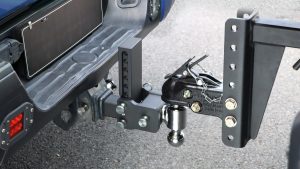
Picking the correct ball hitch comes down to three practical steps. First, check the size marked on your trailer coupler. Second, confirm the shank dimension of your ball mount. Third, verify the gross‑weight rating of your trailer. Running a mismatched ball creates serious safety hazards and may trigger full‑system failure. A loose ball can let the trailer break free mid‑travel. Safe towing always depends on a precise, snug fit. Anyone towing should cross‑check all weight ratings before hitting public highways. A properly matched tow ball keeps your rig and cargo protected.
Key Takeaways
- Locate the stamping on your trailer coupler.
- Get the exact ball diameter required.
- This delivers a tight, reliable connection.
- Measure your shank diameter and overall length.
- Match these specs to the opening on your ball mount.
- Eliminates dangerous play between components.
- Work out your full trailer operating weight.
- Your system’s maximum capacity is set by its weakest link.
- Opt for heavy‑duty forged‑steel hitches.
- Stay away from lower‑strength cast‑metal alternatives.
- Helps avoid metal cracking.
- Prevents sudden, catastrophic part failure.
- Select the correct drop or rise for your setup.
- Keep your trailer sitting level.
- Reduces the risk of unstable trailer sway.
Essential Ball Hitch Dimensions
Ball Diameter Options
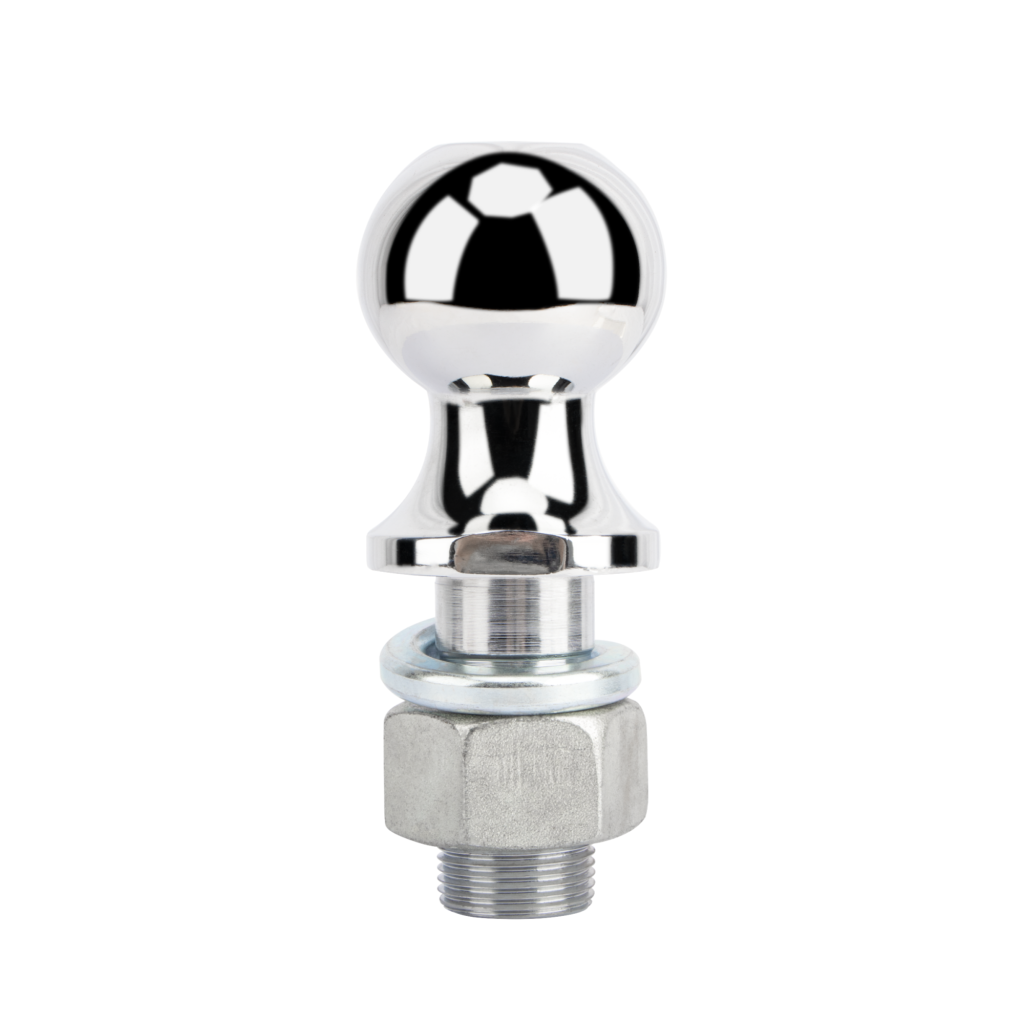
Safe highway towing relies on accurate physical measurements. Every tow‑vehicle operator needs correctly sized hitch hardware. The ball must sit firmly inside the coupler with no excess clearance. Four industry‑standard sizes are widely used: 1‑7/8 in, 2 in, 2‑5/16 in, and 3 in. A good fit eliminates unwanted movement. Loose tolerances introduce harsh shock loads during travel. Service technicians select the exact sphere size to maximize contact surface area.
Hitch‑height adjustment keeps the whole assembly level. Level orientation improves overall road safety. Proper alignment distributes heavy loads evenly. Good balance supports consistent braking and stops tilting. It also suppresses dangerous trailer sway. A level tow‑setup holds up well over rough, bumpy pavement.
| Hitch Geometry / Stability Parameter | Quantitative Limit / Formula | Impact on Highway Towing Stability |
|---|---|---|
| Longitudinal Distance (Lₕ) | Max 0.5 m for highway applications | Beyond 0.5 m, the Dynamic Amplification Factor (DAF) goes above 2.0, bringing on whip‑type instability at speeds over 60 km/h. |
| Extended Hitch Length (Lₕ = 1.2 m) | Maximum speed: 90 km/h | Reduces rear‑axle tyre‑road friction reserve. Lane‑change recovery becomes unsafe at higher driving speeds. |
| Hitch Lateral Velocity (vᵧ) | vᵧ ≈ -Lₕ × v × δ / L | Generates counter‑steer lateral offset at the coupling point, triggering trailer sway and pendulum‑style oscillation. |
| Tongue Weight Ratio | Minimum 10 % of bumper‑pull GVWR | Insufficient tongue weight cannot dampen pendulum‑motion when the trailer receives transient road‑input excitation. |
Shank Diameter and Length
The threaded shank carries load for the ball hitch. The mounting‑hole dimension on your ball mount dictates which shank you need. Common shank sizes range from 5/8 in up to 1‑1/4 in. Shank size must correspond exactly to the mount hole. Technicians take physical measurements to rule out unwanted play.
Shank length is equally important. The full shank needs to pass completely through the ball mount so the nut can engage full threads. Install with appropriate washers and hex nuts. The ball shank must extend past the fastened nut, with at least one full thread exposed. Fully engaged threads hold the nut securely in place. Correct fit prevents catastrophic trailer separation.
Gross Trailer Weight Rating
Each hitch component carries its own weight‑capacity rating. Always confirm total weights before you begin towing. Heavy‑duty FTrade tow balls can handle loads up to 30,000 lbs. Manufacturers stamp these maximum‑load figures directly onto parts. Matching component ratings avoids over‑stress. Excess load causes metal cracking. The lowest‑rated component defines the total capacity for the whole tow system. Your tow ball must handle your actual working load. Solid forged‑steel construction delivers high strength. Thoughtful weight‑rating selection improves road safety.
How to Choose the Right Ball Hitch
Trailer Coupler Stamp
Check hardware specs prior to towing. Couplers carry stamped identification marks, usually near the front latch. These marks show the exact sphere size required. Correct sizing guarantees a secure connection that will not slip free.
| Required Ball Size | Gross Towing Weight Capacity | Common Applications |
|---|---|---|
| 1-7/8 inches | 2,000 – 3,500 lbs | Light utility trailers, small fishing boats |
| 2 inches | 3,500 – 12,000 lbs | Campers, medium-to-large boats |
| 2-5/16 inches | 6,000 – 30,000 lbs | Travel trailers, heavy utility trailers |
| 3 inches | Up to 30,000 lbs | Livestock haulers, large travel trailers |
Proper sizing locks the coupler firmly. Operators fit matching hardware to achieve positive coupler engagement.
Vehicle Towing Capacity
Vehicle owner manuals list factory‑specified maximum‑towing figures. All components in your tow rig should have compatible ratings. Many users run a single‑ball mount. Multi‑ball units make switching between different coupler sizes straightforward. Adjustable‑height mounts let you reconfigure vertical offset quickly.
Robust hardware protects your tow‑vehicle rear frame. Heavy‑duty tow‑ball components sustain applied loads. Ball‑mount ratings must exceed your real‑world total‑trailer weight. Robust tow‑ball hardware resists part breakage and supports reliable stopping without major component damage.
Ball Mount Drop and Rise
Trailers that sit level perform safest on highways. Follow these practical steps to work out your height requirement:
- Measure ground‑level to the top edge of your receiver tube.
- Measure ground‑level down to the bottom edge of your trailer coupler.
- Subtract receiver‑tube height from coupler height.
Pick a ball mount with the corresponding drop value. Towing with an unlevel trailer degrades vehicle handling. A high‑nosed trailer reduces rear‑tyre grip and promotes trailer sway. A low‑nosed trailer shifts load forward and lengthens overall stopping distance. A well‑fitted ball mount keeps tyres planted flat against the road surface. Adjustable‑style mounts permit fast height tuning. The tow ball forms the central link for your whole tow assembly.
Ball Hitch Materials and Finishes

Solid Forged Steel vs Cast
Heavy loads demand robust base materials. Manufacturers produce hitches from either forged steel or cast metal. The forging process eliminates internal material weaknesses; welded hitch assemblies often contain such inherent flaws. Forged‑steel construction delivers superior mechanical strength. Heavy‑duty FTrade‑branded hardware withstands extreme working loads. Cast‑metal counterparts have significantly higher failure risk.
Corrosion Resistant Finishes
Outdoor exposure accelerates corrosion on bare metal. Protective coatings fight rust and surface abrasion. Chrome plating provides dependable surface‑layer defence. Powder‑coat shielding guards steel against gravel‑chip damage. End‑users should select finishes matched to their operating environment.
Stainless steel performs best for marine applications. It offers excellent resistance to salt‑water corrosion and resists surface staining. Boat operators frequently specify stainless steel for marine‑trailer setups.
Proper Installation and Torque
Level towing depends on well‑executed installation. Good alignment maintains vehicle stability. Always tighten fasteners to specified torque values. Correct assembly prevents dynamic‑load‑induced coupling separation.
Recommended installation tools:
- Torque Wrench: Tighten nuts to factory‑defined torque specifications.
- Socket Set: Fits standard hitch‑ball nuts.
- Thread‑locking Compound: Prevents nuts from backing off under vibration.
- Lubricating Grease: Delivers smooth articulation for the tow ball.
- Wire Brush: Quickly removes surface‑layer rust.
Correct hardware maintenance supports safe operation.
Quick pre‑purchase checklist for safe component selection:
- Confirm your total trailer operating weight.
- Read stamped size information on your coupler.
- Measure the opening diameter on your ball mount.
- Calculate the required drop or rise offset.
One core rule governs all highway‑tow configurations:
The weakest component in your tow‑rig determines your overall weight‑carrying limit.
Even a powerful tow‑vehicle loses capacity when paired with under‑rated ball hardware. Responsible buyers inspect every individual component. Matching component ratings keeps operators safe across all road conditions.
FAQ
Can a single universal trailer ball fit every trailer coupler?
No single ball fits all couplers. Couplers need exact ball sizes. Sizes are 1-7/8, 2, 2-5/16, or 3 inches. Wrong sizes cause bad looseness. Trailers can detach on high-speed roads.
How do drivers determine the gross trailer weight rating for ball hitch balls?
Drivers read top weight stamps. Brands like FTrade make balls. They hold 2,000 to 30,000 lbs. Always match ratings to heaviest weights.
What shank dimensions do buyers need for a universal tow ball mount?
Buyers measure mount hole widths. They check platform thickness too. Standard shanks are 5/8 to 1-1/4 inches. The shank goes through holes completely. One full thread shows past nuts.
Why do custom forged steel tow balls perform better than cast options?
Solid forged steel adds extreme strength. It stops metal fatigue damage. Precise forging removes internal weaknesses. Cast options break fast under heavy loads.