Operators cannot fix damaged synthetic straps. DOT, FMCSA, and WSTDA safety rules ban DIY repairs during cargo checks. Drivers may only swap out approved metal parts that still have intact tags. Modern FTrade retractable tie down straps improve cargo safety. These high quality tie down straps stop strap wear and protect every ratchet strap from damage.
Key Takeaways
- Drivers must toss out ripped fabric straps because DIY fixes like stitching lead to terrible highway accidents.
- Workers can swap out broken metal pieces if the replacement gear has clear, easy-to-read weight limit tags.
- Wise workers use pull-back tie-down straps and corner protectors to guard the material from sharp edges and damage.
When You Can vs. Cannot Repair a Ratchet Strap
Unsafe :Do Not Repair
Truck drivers must spot normal types of strap damage during daily gear checks. Synthetic polyester threads lose strength fast after physical or heat damage. Shipping companies must quickly discard any damaged strap with weak spots. Drivers should never try home fixes like sewing tears, tying knots, or taping broken areas. Stitching makes weak points, and tape hides serious inner damage. Workers check every tie-down strap to ensure safe use before loading any freight.
A cut, burn, or tear can cut strength by 50%+ without any visible warning before snapping.
These home fixes ignore major safety risks on open highways. Broken equipment directly causes shifting loads and bad road crashes. Federal officers enforce strict cargo safety rules to stop highway accidents. Inspectors check gear safety during roadside checks. Failing to inspect cargo straps leads to quick legal punishment:
- Banning damaged or weak tie-downs under 49 CFR 393.104
- Knots in fabric straps cause quick failure and cut breaking strength by up to 50%
- Broken tie-downs cause fines and count as bad violation marks during official checks
- Fines and safety penalty points for using broken gear
- Stop-driver orders for major gear damage
- Need to get new replacement gear before driving any further
Safe:Replace or Fix Hardware
Workers can safely swap out separate metal parts on cargo tie-down setups. Mechanics can replace bent hooks, broken ratchets, or damaged short-end parts. The strong fabric strap on the short end must stay in great shape. Companies like FTrade make tough metal parts to meet heavy weight limits. Business sellers supply these approved metal pieces for fast roadside fixes. Drivers must check that every part label remains easy to read during all checks.
Federal safety rules require clear labels on all transport gear at all times. Based on OSHA 1926.251 rules, drivers must check label readability:
- Make sure straps have clear, lasting tags showing size, grade, safe limit (WLL), and maker (OSHA 1926.251(b)(1), (b)(4)).
- Do full gear checks at least every 12 months, based on use, weather, lift type, and history (OSHA 1926.251(b)(6)(i)).
- Keep a written log of the latest month checked and show it to inspectors upon request (OSHA 1926.251(b)(6)(ii)).
Using broken cargo straps puts lives at risk on public roads and causes expensive road crashes. Smart fleet drivers must throw away bad straps right away to protect their loads. Business buyers choose custom FTrade Retractable Tie Down Straps for heavy cargo hauling jobs. These smart self-winding ratchet strap setups prevent cuts, tears, and rubbing by holding extra strap material safely inside a spring case. Using proper replacement parts ensures complete safety compliance under all regular commercial cargo rules.
How to Fix Minor Mechanical Issues and Replace a Ratchet Strap
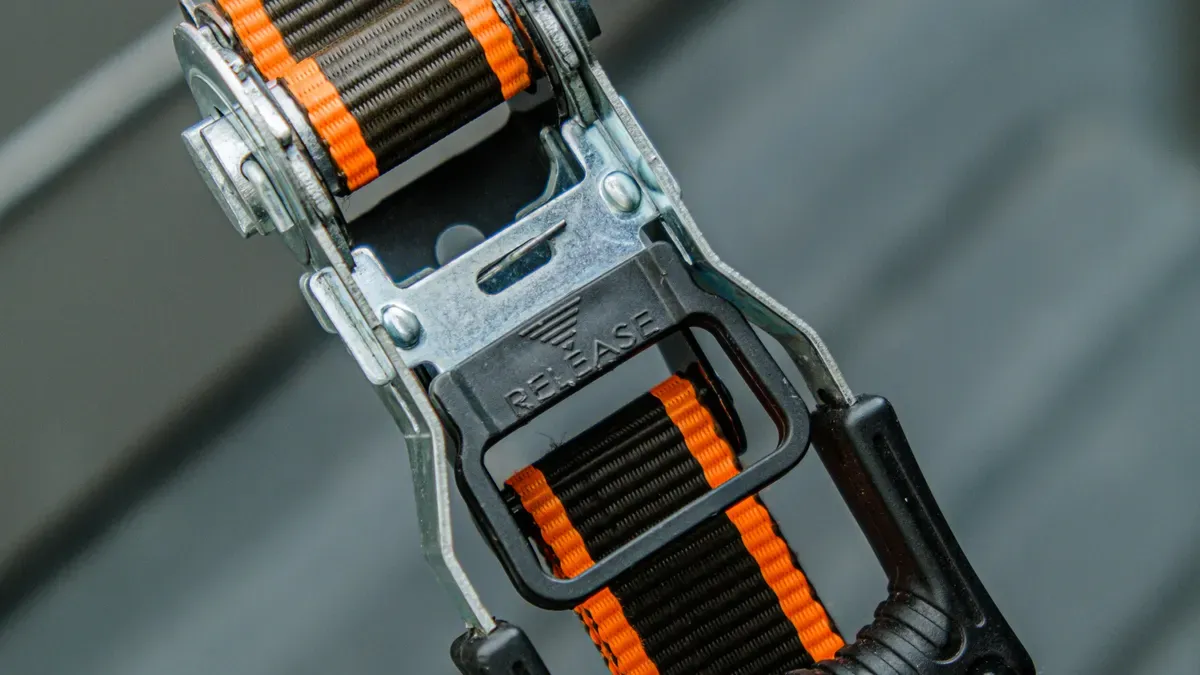
Drivers always inspect their gear closely before loading any heavy goods. Workers slide the fabric through their hands to feel for rough spots, stiff areas, or melted plastic threads. Sunlight damage leaves clear warning signs, like cracks, stiff edges, dry fibers, faded color, and thin spots. Workers check all strong stitching at stress points to ensure full strength. Damaged straps lead to serious road hazards and bad crashes. Managers must throw away broken gear right away to keep loads secure.
Unjamming & Hardware Fixes
Drivers must check ratchet straps often for mechanical wear. Inspectors follow OSHA 1910.179(j)(1)(ii)(b) for regular checks spaced 1 to 12 months apart. Also, OSHA 1910.179(j)(3)(v) requires checking for deep wear on brake parts, linings, catches, and ratchets. Workers look over metal parts during every check to spot bent, cracked, or wide hook openings.
| Tool Category | Recommended Tool | Purpose |
|---|---|---|
| Cleaning | Small brush (e.g., toothbrush) | Gently clean gears and pawls |
| Cleaning | Compressed air | Blow out loose particles |
| Lubrication | Silicone spray or light machine oil | Lubricate moving parts |
| Realignment | Flathead screwdriver | Gently realign misaligned components |
When stuck parts stop your work, follow these safe steps to clear the jam:
- Press the hand latch to unlock it from the wheel teeth.
- Open the handle all the way flat to release both catches.
- Pull the handle toward yourself to let go of tight pressure safely.
- Spray oil or silicone on rusted parts to free up stiff latches.
Modular Strap Replacement
Checking your gear before trips prevents sudden load shifts and severe road crashes. Drivers run quick strap checks during normal rest stops. If the metal parts stay strong, mechanics replace damaged fabric pieces with quality parts from top suppliers. Operators must throw away old parts to protect every road load.
OSHA 1910.179(j)(3)(v) – Inspect components for excessive wear on brake system parts, linings, pawls, and ratchets.
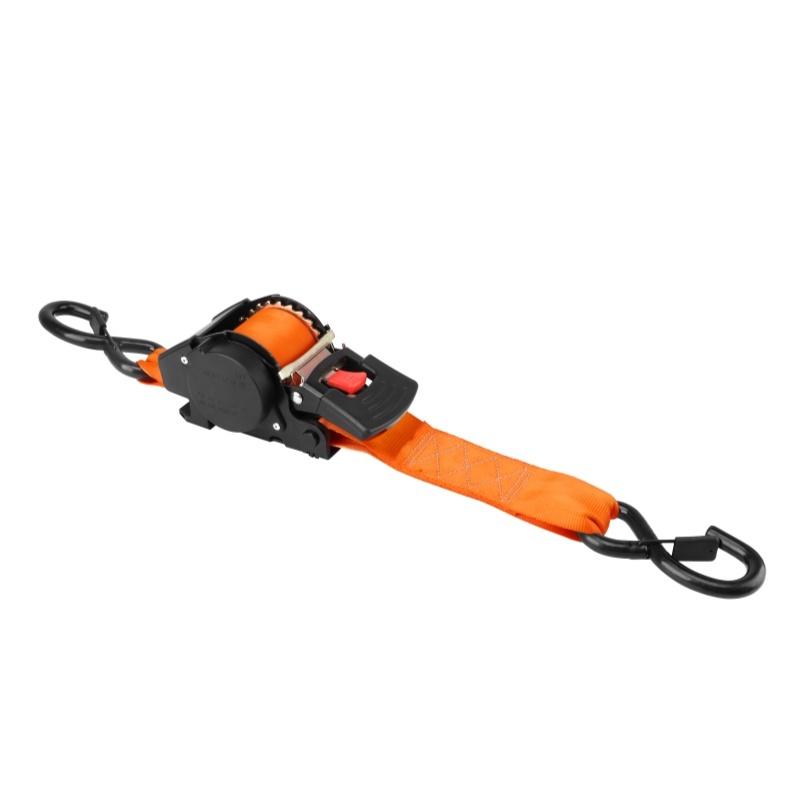
Buyers pick FTrade Retractable Tie Down Straps for safe hauling jobs. These smart winding tie-downs use built-in springs that pull extra strap inside, giving you three big perks:
- Keeps extra strap stored away so it cannot flap around, get caught, or rub raw.
- Strong covers shield the metal ratchet from dirt and rain, making the parts last longer.
- Steady tension control holds goods evenly, which prevents tight squeezes that ruin straps and cargo.
Good care helps drivers keep every cargo secure on all trips. Smart workers test moving parts fast, prevent road crashes, and discard bad straps right away.
Inspection, Disposal, and Long-Term Ratchet Strap Maintenance
Identifying & Retiring Damaged Gear
Truckers test all gear closely before loading any haul. This full cargo strap inspection spots broken threads right away. Strong sunlight wears down soft synthetic fibers over time. Drivers spot serious sun damage when fabric shows faded color, stiff edges, or less flex. Inspectors must quickly throw away bad gear when finding damaged cargo straps to prevent crashes.
Inspect every strap before every run, and check after the first stop once the load has settled. Schedule a deeper inspection of the full kit monthly for heavy use.
Safety teams must destroy broken gear whenever small tears weaken strength. Drivers should toss bad items out right away instead of keeping them inside gear boxes. Workers slice old fabric completely in half to discard broken items properly. Cutting bad gear stops anyone from using it by mistake later on. Quick disposal guarantees long-term cargo strap safety for all big road fleets.
Best Practices
Rough freight corners cut soft fabric straps during long highway runs. Drivers slip tough edge guards under fabric to ensure proper load securement.
| Material | Description |
|---|---|
| Heavy Duty Nylon Sleeve Protector | Protects tie down straps 2 to 4 inches wide from scratches. |
| Steel Corner Protector with Rubber Backing | Shields tie down straps from sharp metal edges. |
| Rubber Corner Protectors | 0.25-inch thick rubber slides onto strap to stop friction burns. |
Good daily maintenance helps your equipment stay strong much longer. Workers clean fabric using warm soapy water and keep gear dry inside storage bins. Buying solid gear stops early wear and tear. Fleet buyers order FTrade Retractable Tie Down Straps for heavy load securement. The self-winding spring gear pulls extra fabric back onto the main wheel quickly when unlocked. This smart reel design keeps fabric off dirty floors, stops annoying knots, prevents highway accidents, and avoids gear wear. Operators inspect all tools to prevent crashes and make your straps last longer.
Smart drivers pick strong replacement cargo straps to avoid dangerous crashes. You must check every strap before each trip and discard damaged tie down straps right away. Regular ratchet strap inspection prevents lost loads and bad highway accidents. Truckers must discard a worn strap immediately to keep safe tie down straps.
FAQ
Can minor webbing cuts be sewn to repair a ratchet strap?
Drivers must instantly retire any fabric showing small cuts or tears. Homemade sewing changes strength ratings, breaks road transport rules, and causes violent crashes.
When should operators replace synthetic cargo straps?
Workers run quick gear checks before securing any heavy load. They must throw away worn straps right away to keep cargo locked down tight and avoid severe highway accidents.
Is replacing broken metal ratchet hardware legal?
Mechanics can swap out bent hooks or jammed ratchets if the new parts show clear weight tags. The long synthetic strap itself must stay totally free of physical damage.