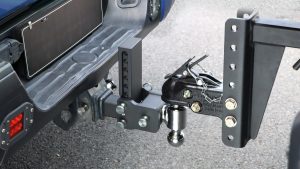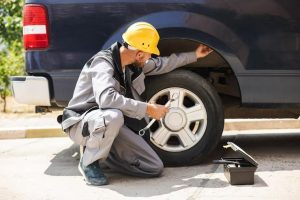
Homeowners can absolutely fit a tow hitch to most lawn mowers, but you need to start by checking the frame. Look for a solid steel rear frame. Thin, lightweight frames will bend under towing loads. You will also need heavy-duty bolts and reinforcing steel plates.
Installation is straightforward for DIY users. First, select a hitch bracket designed to fit your mower model. Next, hold the bracket up against the rear frame. Drill clean, precise holes through the metal structure. Finally, torque all bolts down securely. Always run through safety checks before hooking up any trailer.
Key Takeaways
- Pick the best steel hitch bracket. It must fit your lawn mower frame.
- Drill clean holes. Attach the hitch tightly. Use strong Grade 5 or Grade 8 bolts.
- Find your safe towing limit easily. First, add up two numbers. Combine your mower’s total weight and the driver’s weight. Next, divide this final number in half.
- Drive slowly. Load trailers evenly. This keeps full steering control. It prevents transmission damage.
How to Put a Hitch on Your Mower
Matching Factory Brackets
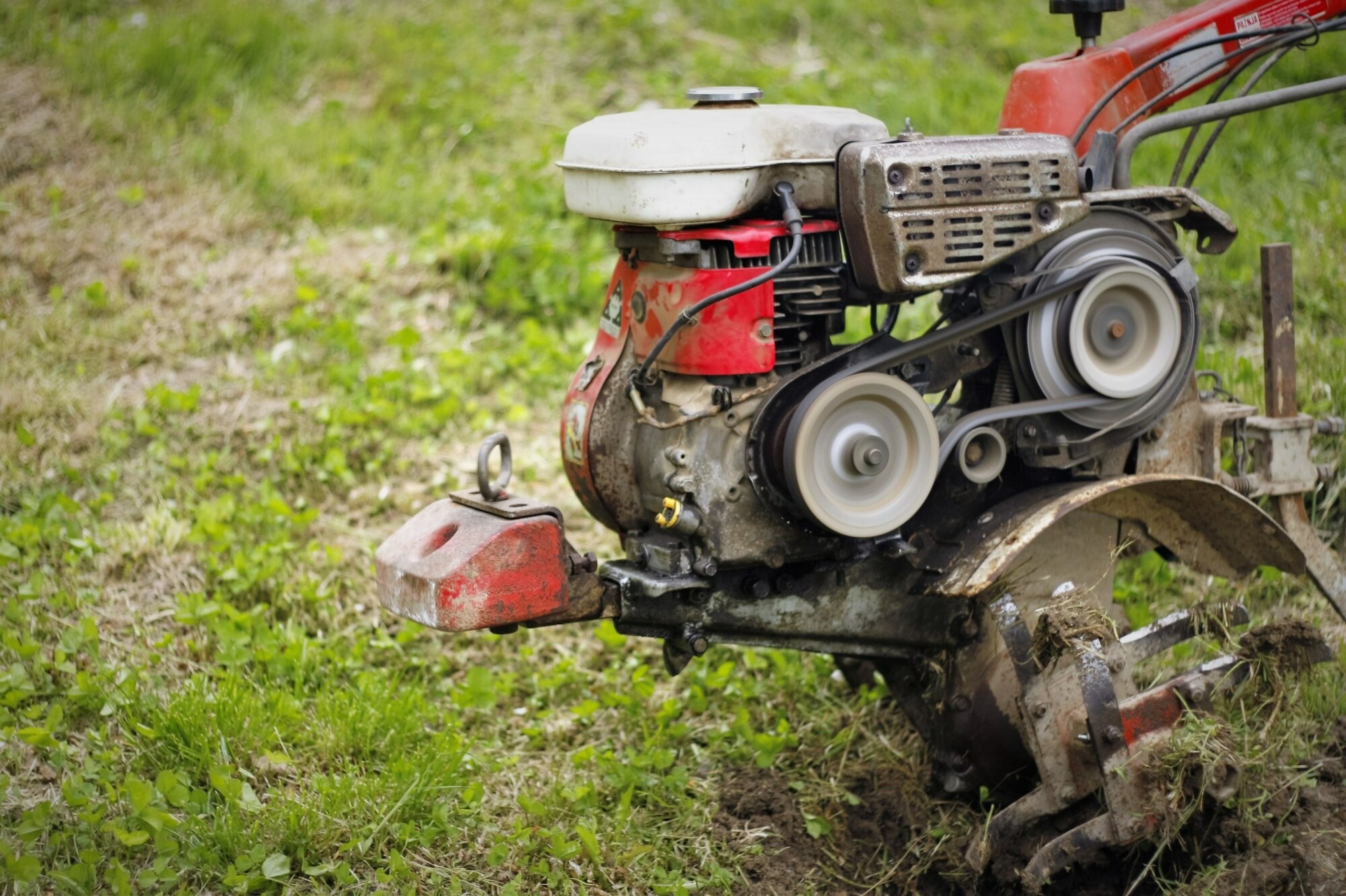
Many major lawn mower brands offer purpose-built OEM brackets engineered for their equipment. You can locate factory mounting points on the rear of the machine. These genuine components line up with existing holes, so you do not need extra drilling.
Factory brackets are rated for light towing applications and tested by manufacturers for safe load weights. Check your operator’s manual to confirm correct part numbers. Using matched OEM hardware avoids frame bending and uneven stress concentrations.
Selecting Universal Hitches
Older mower models often lack factory towing hardware. Universal brackets work well in these cases. Universal styles feature slotted adjustable steel plates that bolt straight onto flat rear bumpers.
When purchasing universal brackets, measure your frame dimensions carefully. Start by recording the spacing between mounting points on the rear frame. Thicker steel brackets handle small dump carts reliably. Always prioritise heavy-gauge steel to prevent bending.
Zero-Turn vs Riding Mowers
Riding lawn tractors and zero-turn mowers behave differently while towing. Riding mowers feature robust rear steel frames and accept hitches easily. Their reinforced frames cope well with vertical tongue loads.
Zero-turn mowers rely on dual drive systems for sharp, fast turns. Rapid steering places strong sideways force on attached trailers. Mount the hitch as low as possible to preserve balance. Avoid hauling heavy loads to protect the engine and drivetrain.
Required Tools and Towing Hardware
Essential Hand Tools and Drills
Fitting a custom hitch requires basic workshop tools. You will need a complete socket set and matching open-end wrenches to tighten heavy bolts. A powerful electric drill works best, paired with sharp cobalt drill bits. These bits cut cleanly through steel bumpers without overheating or dulling quickly.
Use tape measures and steel squares to align holes accurately on the rear frame. A centre punch creates clear indentations to stop drill bits sliding over painted surfaces. After drilling, use a metal file to smooth all sharp cut edges.
Hitch Balls, Couplers, and Pins
Pick durable towing hardware built for long-term use in wet grass and muddy ground. Many operators trust heavy-duty components from reputable suppliers. FTrade manufactures robust trailer parts finished with specialised protective coatings that resist rust during salt spray testing.
Light towing setups require reliable hardware. Most lawn mowers use standard hitch balls, commonly available in 2-inch and smaller sizes, paired with compatible steel couplers. Heavy locking pins secure drawbars, and sturdy spring clips keep assemblies fastened in place.
Protective Gear and Hardware
Wear proper safety equipment during installation. Heavy leather gloves protect hands from hot metal shavings and sharp bracket edges. Impact-resistant safety glasses must be worn at all times to block flying metal debris.
Quality fasteners hold the hitch stable over bumpy lawn surfaces. Use Grade 5 or Grade 8 bolts fitted with flange lock nuts. These high-tensile steel bolts withstand significant forces and will not fail under heavy cart loads or sudden stops.
Step-by-Step Mower Hitch Installation
Preparing the Mower Frame
Switch off the engine and remove the ignition key. Park the machine on level ground and engage the parking brake firmly.
Clean the rear metal frame thoroughly. Dirt can hide cracks or corrosion. Repair any damaged sections before starting work. Clean surfaces allow accurate measuring and marking.
Aligning and Drilling Mounting Holes
Hold the bracket in position and use a small spirit level to keep it straight. Mark drilling locations with a centre punch to prevent bit slippage.
Drill small pilot holes first, then enlarge them using larger bits. Apply cutting oil to drill bits. Sharp cutting edges produce neat, clean holes.
Securing Hitch Hardware
Feed heavy bolts through the mounting points and fit lock nuts onto the opposite side. Hold the bolt steady with one wrench while tightening the nut with a second. Tighten all fasteners to sufficient torque.
Test the bracket by pulling firmly. A properly fitted hitch will not shift or rattle, and tight bolts absorb vibration across rough terrain.
Coupling the Trailer Safely
Lower the coupler slowly onto the hitch ball. Avoid dropping the coupler with heavy impact.
Follow two critical safety steps:
- Fully engage and latch the coupler mechanism.
- Insert a heavy-duty safety pin.
Safe Towing and Weight Limits for Lawn Mower Hitches
Calculating Maximum Towing Capacity
Excessive loads wear down mower gearing rapidly. Sustained stress leads to overheating drive components. Always check load limits before towing carts. Overloading causes belt slippage, engine stalling and permanent mechanical failure.
Work out your safe towing capacity in three simple steps:
- Calculate combined weight: lawn mower weight plus operator weight.
- Divide the total figure by two. This value equals your maximum safe tow load.
- Simple formula: Max Tow Weight = Total Combined Weight ÷ 2
Managing Tongue Weight
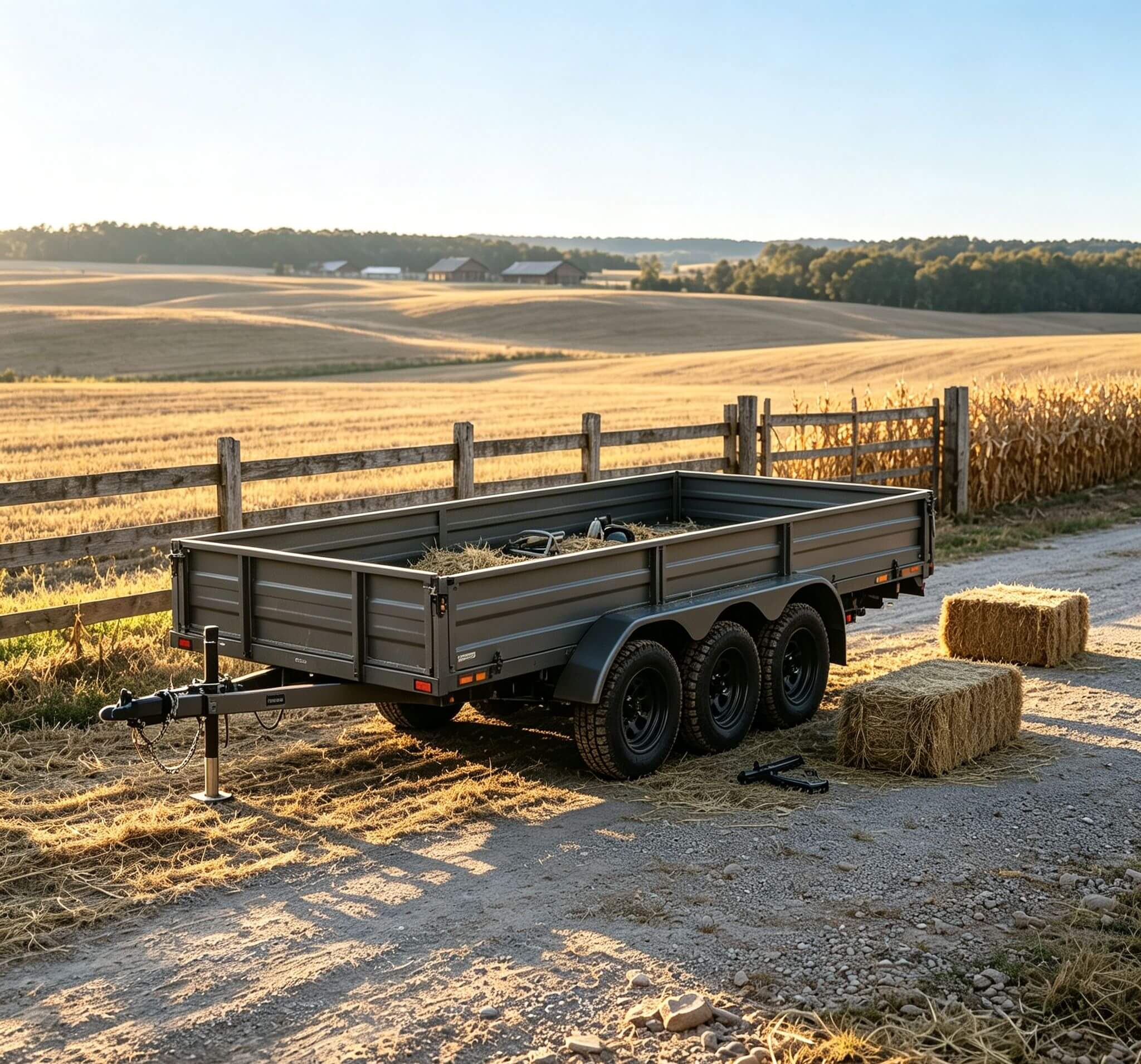
Tongue weight creates downward force on the hitch. Too much tongue load compresses the rear axle and lifts the front wheels off the grass. Reduced front wheel traction creates dangerous steering instability.
Load utility trailers carefully. Place heavy cargo directly above the trailer axle to cut strain on the hitch. This keeps front tires grounded and prevents overloading rear tires.
Steering and Braking Safety
Lawn mowers lack powerful braking for heavy trailers. Loaded carts can push the mower downhill, and tires slide easily on wet grass.
Travel slowly over uneven ground. Make wide turns near trees and obstacles. Apply brakes early on muddy surfaces to avoid risky jackknifing.
Homeowners attach lawn mower hitches. Pick sturdy steel brackets first. Next, drill rear frame holes. Then, tighten heavy bolts firmly. Always verify coupler latching. Always check safety pin placement. Do this before every trip. This check prevents accidental detachment. It stops trailer separation during work.
Stay inside safe towing limits. This protects the drive system. It avoids costly gear wear. Towing too much hurts transmissions. It causes several clear warning signs:
- Loud high-pitched whining noises
- Hot transmission fluid
- Low hydraulic system pressure
- Poor drive power on hills
Follow capacity limits for safety. This keeps towing tools working well.
FAQ
Will installing a hitch void a lawn mower warranty?
Mower brands allow light towing. Big loads break transmission rules. This voids your warranty fast. Read manuals before drilling holes. Check limits before pulling gear.
Can someone put a hitch on a zero-turn mower?
Yes, you can add hitches. Mount brackets very low now. This keeps mowers very steady. Do not make fast turns. Quick turns tip trailers over.
What size hitch ball works best for lawn mowers?
Use two-inch hitch balls often. Smaller sizes work well too. Match the ball size right. It must fit your coupler.
Can a riding mower tow a car or truck?
Never tow cars or trucks. Heavy vehicles weigh too much. They exceed safe mower limits. Big loads ruin transmission gears. Mower brakes fail very fast.